Prediction Market ETFs Have Lots of Questions to Answer
A growing wave of filings for exchange traded funds (ETFs) linked to prediction markets is creating a new batch of regulatory questions, but answers aren’t yet clear. In a new article for Cornerstone Research, an economic and financial consulting firm, coauthors Laurent Samuel, Gary Schmirer, Ross…
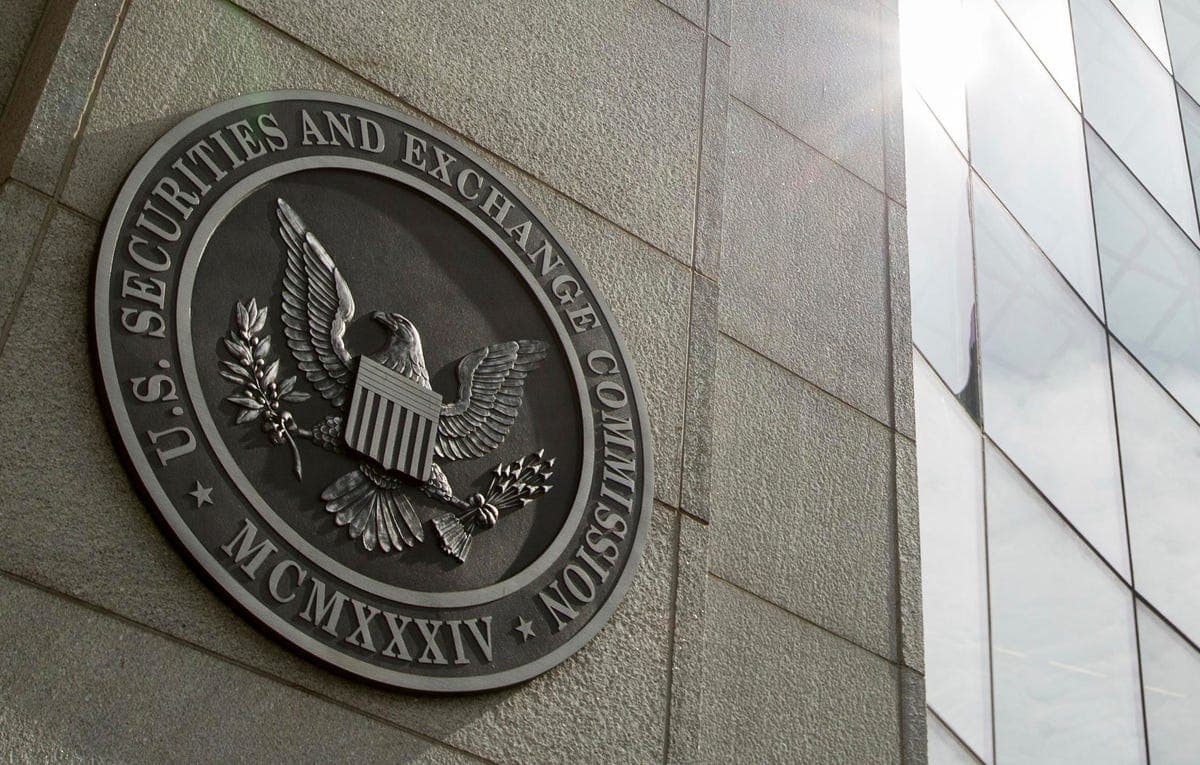
A growing wave of filings for exchange traded funds (ETFs) linked to prediction markets is creating a new batch of regulatory questions, but answers aren’t yet clear. The Securities and Exchange Commission (SEC) hasn’t approved prediction market ETFs. Some experts believe there are credible reasons why that’s the case. (Image: SEC) In a new article for Cornerstone Research, an economic and financial consulting firm, coauthors Laurent Samuel, Gary Schmirer, Ross Askanazi, and Jerrod Attias explore the spate of filings for prediction market ETFs and potential regulatory implications. Thus far, the Securities and Exchange Commission (SEC) hasn’t approved any ETFs related to prediction markets, but the ball got rolling earlier this year when Roundhill Investments filed plans for a batch of funds that would hold baskets of political derivatives traded on yes/no exchanges. Two competitors followed suit after Roundhill, but the SEC subsequently stalled approval of the electoral event contract ETFs, citing the need to more closely examine what deems are “novel” fund structures. The Cornerstone experts note that “prediction market ETFs sit at the intersection of two (regulatory) regimes.” The SEC regulates fund approvals while the Commodity Futures Trading Commission (CFTC) oversees Designated Contract Markets (DCMs), including all-or-nothing exchanges. However, that’s not the end of the regulatory ladder prediction market ETFs have to climb on the road to approval. “Several state gaming regulators have asserted jurisdiction over event contracts, and the question of whether CFTC regulation of DCMs preempts state gaming law remains in active litigation,” observe the Cornerstone experts. Said differently, the various state-level legal battles facing prediction market operators, some of which scrutinize political event contracts, may have some bearing on ETFs holding political derivatives coming to life. Prediction Market ETF Filings Are Getting Wild Since Roundhill, Bitwise and GraniteShares filed for the election outcome-based ETFs, proposals for prediction market-linked ETFs have become increasingly nuanced. For example, Bitwise and Roundhill filed for ETFs “extending the concept beyond politics to economic outcomes tied to technology sector layoffs, recession risk, and prices in cryptocurrency and oil markets,” notes Cornerstone. Another issuer pitched ETFs that, if approved, would hold baskets of climate, economic and policy decision event contracts. The SEC hasn’t signed off on any of those products, either. More recently, at least three issuers, including Roundhill, filed plans for a staggering 128 ETFs, including 32 leveraged funds, that would allow investors to essentially bet on NHL teams. Cornerstone doesn’t go into deep detail on those funds and regulators haven’t commented on them, but it’s possible those ETFs will be approved because the issuers are positioning the funds as futures-based products, not funds that hold event contracts. The futures in question are linked to indexes designed to track the performances of NHL teams. Some critics may say NHL ETFs are bridges too far, but scores of existing ETFs hold futures and/or track indexes so it’s possible that the SEC won’t consider these products “novel.” Lots of Potential Risks, Issues to Watch The SEC’s public comment period on novel ETFs wraps up at the end of this month, but as the Cornerstone quartet points out, that’s not a guarantee of further action. “The request for comment is not connected to a proposed rule, and the SEC has not indicated whether it will act on the pending filings before or after any resulting proposal,” they wrote. “Separately, the CFTC’s June 2026 rulemaking on prediction markets and the pending state-law preemption litigation will continue to shape which event contracts remain available to serve as reference assets.” The authors appropriately point out that there are multiple potential risks associated with prediction markets in the ETF wrapper, including the possibility of concentration and liquidity risks, the specter of creating new vehicles that can be used for insider trading and the fact that the IRS hasn’t established official tax treatment pertaining to event contracts. The post Prediction Market ETFs Have Lots of Questions to Answer appeared first on Casino.org.